How to Prepare Your Teen for Their First Driving Lesson In Melbourne
Book Your Lesson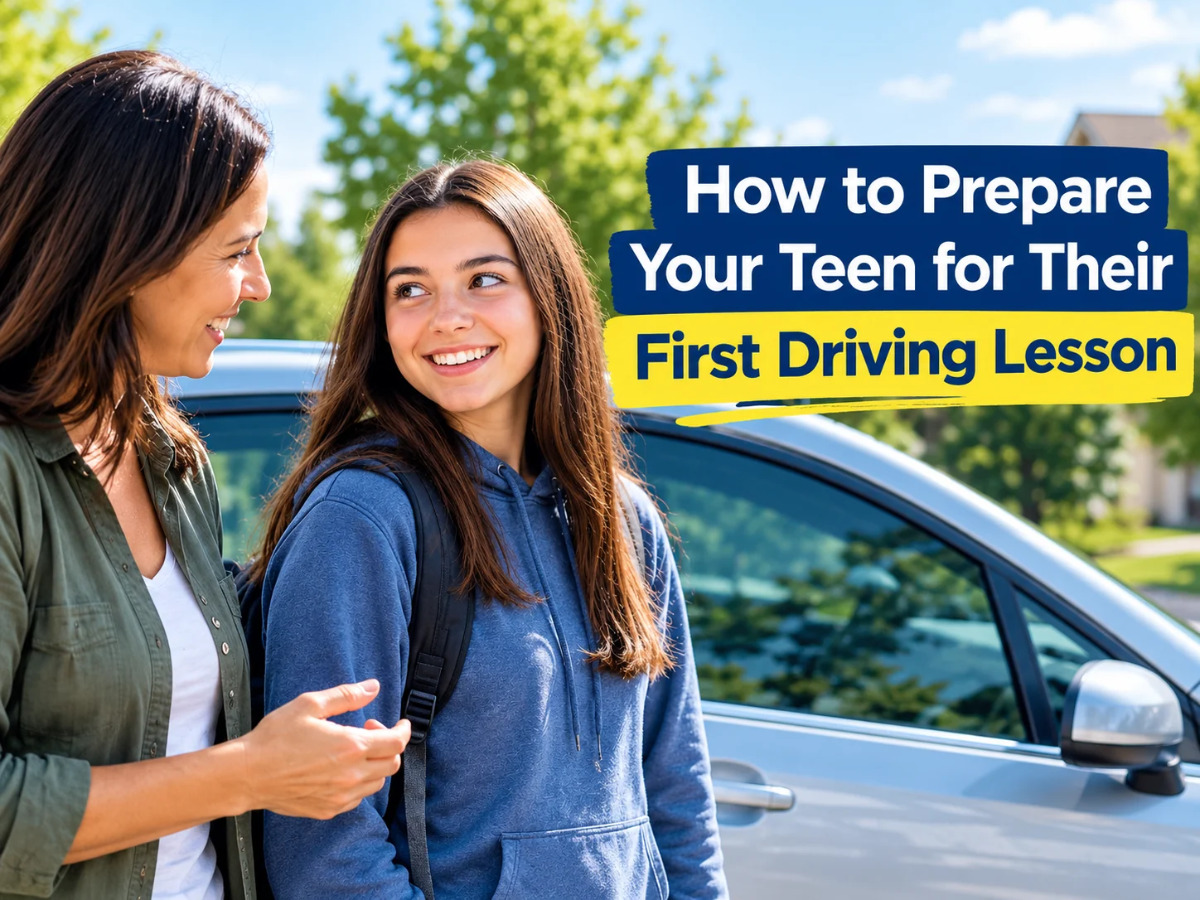
Summarize this post
Your teen has their learner permit, the L plates are sitting in the glovebox, and a first driving lesson is in the diary. If you’re feeling a bit nervous about it, you’re not alone. Most parents are.
To prepare your teen for their first driving lesson, make sure they hold their learner permit, pack the right things (permit, flat shoes, glasses if they wear them), and explain what will happen so there are no surprises. The lesson itself is slow and calm, usually on a quiet street, with a VicRoads-accredited instructor beside them in a dual-control car. Nobody expects a perfect drive.
Here’s how to get your teen ready, what the day looks like, and how you can help without adding pressure.
How do you prepare your teen for their first driving lesson?
A little preparation goes a long way. Work through these steps in the week before the lesson:
- Confirm they hold a learner permit: In Victoria, your teen must be at least 16, pass the Learner Permit Test, and complete the eyesight and identity checks at VicRoads before driving on public roads.
- Revisit the road rules together: A quick read of the learner handbook, or a chat about give way rules and speed zones, makes the first lessons much less overwhelming.
- Talk through what will happen: Teens relax when they know the plan: seat set-up, learning the controls, then a slow drive on a quiet street.
- Sort the practical bits the night before: Flat shoes out, permit in the bag, phone charged, lesson time confirmed.
- Aim for a good sleep and a proper meal: Driving takes more concentration than most teens expect.
- Pick a sensible time: Avoid the school pick-up rush if you can. Quieter streets mean a calmer first drive.
- Keep your own expectations low: The goal of lesson one is comfort, not skill.
First driving lesson checklist for teens
Print this out or screenshot it:
- Learner permit (it must be carried whenever they drive)
- Flat, closed-in shoes. Thick soles, heels and thongs make it hard to feel the pedals.
- Glasses or contact lenses, if they need them to drive
- Water bottle
- Learner log book or the myLearners app, so the lesson can be recorded
- A few questions written down. They’re easy to forget once you’re behind the wheel.
- Phone on silent and out of reach. Learner drivers in Victoria can’t use a mobile phone while driving, including hands-free.
What happens in a teen’s first driving lesson?
Most first lessons follow the same simple pattern:
- A short chat about experience, goals and any nerves
- Adjusting the seat, steering wheel and mirrors
- Learning what the pedals, indicators, lights and wipers do
- Moving off slowly on a quiet street or low-traffic area
- Practising steering, smooth braking and stopping
- A quick recap of what went well and what to work on next
Busy roads usually come later, once your teen feels comfortable. For the full step-by-step, our first driving lesson guide walks through what to expect on the day.
What Victorian learner rules should parents know first?
You don’t need to memorise the whole rulebook, but these are the basics every parent and supervising driver should know:
- Minimum age: 16 to apply for a learner permit.
- L plates: must be displayed on the front and rear of the car.
- Supervising driver: must hold a current full (non-probationary) licence for the type of car and sit next to the learner at all times.
- Alcohol: learners must have a zero blood alcohol limit.
- Phones: no mobile phone use at all while driving, including hands-free.
- Under 21: learners need at least 120 hours of supervised driving, including 20 hours at night, and must hold their learner permit for a minimum of 12 months before the probationary licence test.
Rules can change, so check the latest details on the VicRoads website. If you’d like the bigger picture, our guide to L plates to P plates in Victoria explains each stage, and the P plate rules guide covers what comes after.
Should the first lesson be with an instructor or a parent?
For most teens, a professional instructor is the better place to start. Here’s why:
- Dual controls: The instructor has a brake pedal too, which takes the pressure off everyone.
- Teaching experience: Instructors know how to break skills into small steps and explain them clearly.
- Less family tension: Teens often take feedback more easily from someone who isn’t their mum or dad.
- Good habits from day one: Mirror checks, road position and smooth braking are easier to learn correctly than to fix later.
Once your teen has the basics, you can take over for regular practice and build up those logbook hours. Both help: lessons teach the skills, and practice with you makes them stick.
At Licence Pass, first-time driver lessons are taught in an automatic dual-control car, so beginners can focus on steering, observation and road awareness rather than juggling gears. One thing to know: if your teen passes their drive test in an automatic, their licence will be restricted to automatic cars, so check the current VicRoads details if that matters to your family. You can see current lesson costs in our guide to driving lesson prices in Melbourne.
How can teens handle first-lesson nerves?
Nerves are normal, and they usually fade within the first 15 to 20 minutes. A few things help:
- Tell the instructor they’re nervous: Instructors have seen it many times and will adjust the pace.
- Ask questions straight away: Nothing is too basic.
- Go slow: Smooth and steady beats fast and jerky.
- Look ahead, not at the bonnet: The car tends to go where the eyes go.
- Expect small mistakes: Braking too hard or drifting wide on a turn is part of learning.
If your teen is very anxious about driving, it’s worth looking at nervous driver lessons, which are taught at a calmer, slower pace. Our post on driving lessons for anxious drivers in Melbourne has more practical advice.
Tips for parents of learner drivers
Your role matters, even when you’re not the one teaching. These teens driving tips for parents make a real difference:
Do:
- Stay calm and keep your voice steady, even when something surprises you
- Give instructions early (“left at the next street”), not at the last second
- Ask how it felt before you offer any feedback
- Praise what went well, then pick one thing to work on
- Let small mistakes happen in low-risk situations so your teen learns to correct them
Don’t:
- Grab the dash, gasp or slam an imaginary brake. It rattles new drivers.
- Correct every little thing in real time
- Compare their progress to a sibling or to how you learned
- Use your phone while supervising
What should you do after the first lesson?
Keep it low-key. Ask how it went, listen, and let your teen lead the conversation. Then:
- Record the lesson in the myLearners app or the paper log book.
- Note one win and one thing to improve. It helps your teen see progress.
- Book the next lesson soon. Regular practice helps skills stick.
- Start building supervised hours in short, easy drives. Our guide on how to log 120 hours in Melbourne explains how to track them.
When the time comes, driving test preparation lessons help your teen practice the skills examiners look for.
Learning to drive in Melbourne’s west
Learning locally helps. Your teen gets used to the roundabouts, school zones and busier roads they’ll actually drive on. Licence Pass teaches across Melbourne’s west, including Tarneit, Werribee, Truganina, Wyndham Vale, Sunshine, Footscray and Williamstown. Check the service areas page to see if we cover your suburb.
Ready to book your teen’s first lesson?
A good first lesson is slow, patient and pressure-free. If you’d like your teen to start with a VicRoads-accredited instructor in an automatic dual-control car, you can book a driving lesson with Licence Pass or learn more about our driving lessons in Melbourne.
On This Page
Related Topics
Ready to Pass Your Test? Book Your First Lesson Today
Ready to Pass Your Test? Book Your First Lesson Today
Why Choose Licence Pass for Driving Lessons in Melbourne?
Thousands of Melbourne learners trust Licence Pass for some of the most affordable, best-value driving lessons in the west without compromising on quality. Here’s what makes us a trusted driving school in Melbourne’s west.
Frequently Asked Questions
Get answers to common questions about driving lessons, bookings and test preparation in Melbourne.
Can I sit in on my teen’s first lesson?
It’s worth asking your driving school when you book. Some teens feel calmer with a parent or guardian nearby, while others concentrate better alone with the instructor. Either way, your teen’s first lesson is about building a safe and confident start, and you can help afterwards by asking how it went and supporting their practice.
How many lessons does a teen need before the driving test?
It varies from person to person. Some young drivers need only a handful of quality lessons alongside regular practice with a supervising driver, while others need more. After a few lessons, your driving instructor can give you a realistic idea of how many more your teen will need, based on their progress and how they handle the learning process.
Do driving lessons count toward the 120 hours?
Yes. Lessons with an accredited instructor can be recorded in your teen’s log book or the myLearners app. Learner drivers under 21 need at least 120 hours of supervised driving in total, including 20 at night. Professional tuition is a great way to build good driving skills and defensive driving habits, which you can then reinforce during practice together.
Will my teen drive on main roads in the first lesson?
Usually not. A professional driving instructor will typically start on quiet residential streets or in low-traffic areas, so your teen can get used to the steering wheel, mirrors, indicator and dashboard without the pressure of busy traffic. Main roads, roundabouts and multi-lane intersections come as your teen’s confidence grows and they learn to spot and anticipate a hazard.
What should my teen wear to their first driving lesson?
Comfortable clothes and flat, closed-in shoes. Avoid heels, thick soles and thongs, because they make it hard to feel the brake and accelerator. Good footwear helps your teen stay in control of the pedals and focus on the road.
Driving Tips, Road Rules & Learner Advice
Get practical driving tips, Victorian road rules, hazard perception advice and learner guidance to help you prepare for your licence test.
How to Prepare Your Teen for Their First Driving Lesson In Melbourne
Your teen has their learner permit, the L plates are sitting in the glovebox, and…
Wet Weather Driving Tips for Melbourne Learners
Melbourne weather doesn’t ask permission. You can start a lesson in sunshine and finish it…
Night Driving Tips for Learners in Melbourne: A Safety Guide
Driving after dark feels like a different skill. Distances are harder to judge, oncoming headlights…